
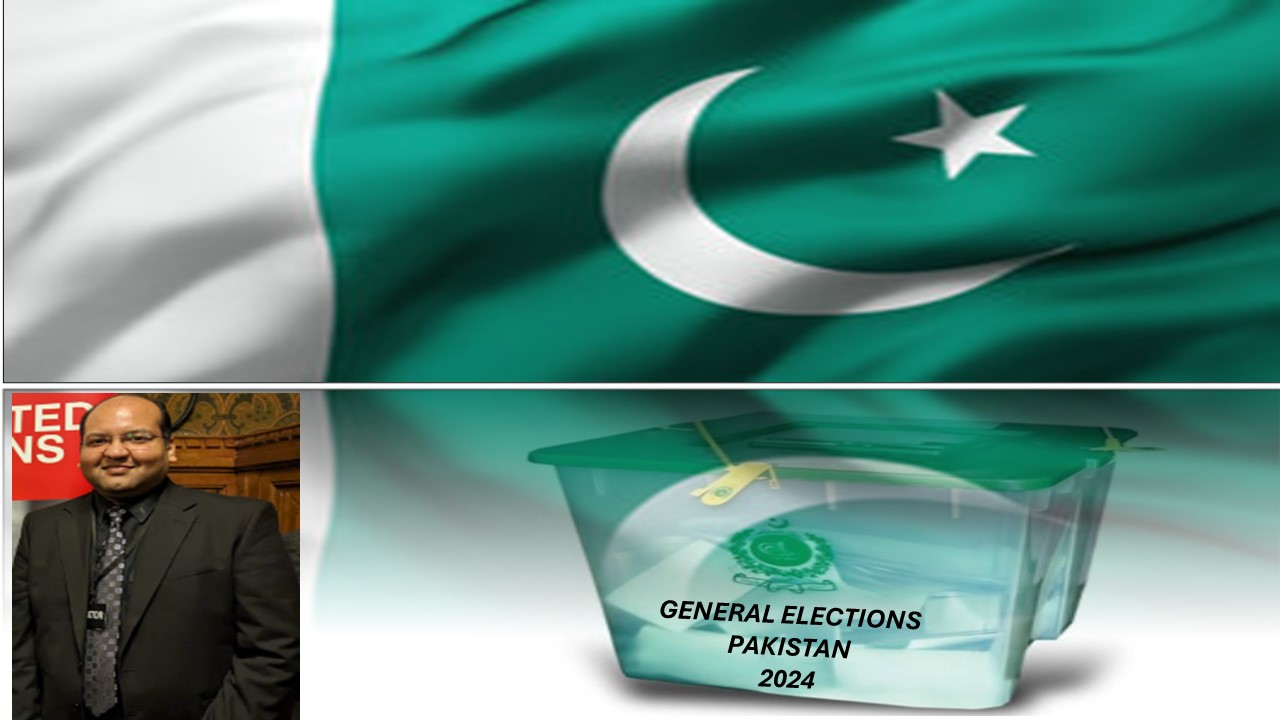
General elections were held in Pakistan on Wednesday 8th February 2024. As a result of elections 2024, the Pakistan Tehreek-e-Insaf (PTI) has become the single largest political party of Pakistan, winning the National Assembly 93 seats out of 266 contestable seats, but the PTI independents contested as individuals. The Pakistan Muslim League (PML-N) were able to secure 75 seats thereby lacking a clear majority, Pakistan Peoples Party (PPP) secured 54 and Muttahida Qaumi Movement Pakistan (MQM) won 17 seats.
At the provincial levels, PML-N formed the government in Punjab by becoming the largest party in Punjab, winning 137 seats, which has provided opportunity to Maryam Nawaz, the daughter of three-time former Prime Minister Nawaz Sharif to become first ever female Chief Minister of Punjab, whereas PTI (independent candidates) remained the largest party in Kyber Pakthun Khawa winning 91 seats and PPP remained the largest party in Sindh by securing 84 and also became the single majority party in Baluchistan by wining 11 seats but added other parties for formation of a coalition government.
However, the election process itself has been marred by controversies. Delays in result reporting, allegations of tampering, and discrepancies in vote counts have cast a shadow over the legitimacy of the electoral process. PTI officials have accused the Election Commission of Pakistan (ECP) of manipulation, prompting legal challenges and calls for resignations within the ECP. The revelations of electoral fraud and irregularities have heightened concerns and underscored the urgent need for thorough investigations. The people of Pakistan hope that all three pillars of the government i.e. Judiciary, Executive and Legislature will work together for building a progressive and peaceful nation. This is the responsibility of the newly formed government that they should play a vital role to strengthen the democratic institutions, ensure rule of law, and give particular focus to the sectors of health, education and social wellbeing, and hope that the opposition will also play a positive role in this regard.
The implications of these elections extend beyond Pakistan’s borders. Given its strategic geopolitical location and regional influence, political stability in Pakistan is crucial for regional security, economic partnerships, and diplomatic relations within South Asia. With ongoing instability in Afghanistan, Pakistan’s approach to managing its border and handling refugees will significantly impact regional dynamics.
Furthermore, the extensive influence of the military on Pakistan’s politics continues to draw scrutiny. Concerns about the fairness of the electoral process, including suspicions of cyber interference and internet blackouts, raise questions about the integrity of Pakistan’s democratic institutions.
Beside seeking development and progress of the nation, the government should also prioritize the issues of the religious and sectarian minorities so that they are integrated well in the society and feel proud to be responsible Pakistanis, because Pakistan belongs as much to minorities as it does to the majority.
In a notable development following Pakistan’s recent elections, the Pakistan People’s Party (PPP) took a positive step towards inclusivity by appointing Mr. Anthony Naveed from Karachi as the Deputy Speaker of the Provincial Assembly of Sindh. This appointment carries significant weight as it marks a stride towards representation for religious minorities in the political landscape. Anthony’s appointment underscores the importance of diversity and inclusion in governance, signalling a move towards a more representative and inclusive political system in Pakistan. Such actions are essential for fostering social cohesion and ensuring that the voices of all segments of society are heard and represented in decision-making processes.
More people from the minority communities must be given such roles & responsibilities in the government at both Federal and Provincial level and the government should also give due representation to the minorities in all its ministerial cabinets.
I am glad that the previous government has completed its term and now another democratic government has taken over the charge after the general elections. In my opinion while the general elections did provide an opportunity for all communities to cast their vote and for some semblance of a democratic transition taking place, the alleged measures by the caretaker govt have raised many questions on the credibility of the elections being free and fair. It was encouraging to witness that some members from the minority communities were awarded general seats to contest the elections, and I hope that in future all political parties will make an effort to empower the minorities in the electoral process by awarding more general seats to them to contest elections. There is a long way to go for true democracy to evolve in Pakistan, but the recent elections give us a ray of hope that if the political parties and govt have the will to mend all the wrongs of the past, that we may ultimately see equal opportunities being provided to all citizens of Pakistan, regardless of caste, colour or creed. In addition, many Pakistanis like me feel deprived for being away from country, who are unable to use their right to cast their vote and not being part of such an important process. I hope that in future the government would seriously look into the flaws and loopholes and take concrete steps by making much-needed reforms to strengthen the democratic process to make the election process transparent and make legislative reforms especially for the protection of religious minorities in Pakistan while also consider including the overseas Pakistanis into the election process.
In conclusion, Pakistan’s recent elections have not provided the anticipated clarity and stability. Instead, they have underscored the entrenched influence of the military, raised doubts about the fairness of the electoral process, and highlighted the urgent need for reforms to ensure genuine democratic governance in the country.
However, everyone extended prayerful best wishes for the new newly formed government, with the hope that they will invite everyone to work together for the uplift of the weak and marginalized communities and people in society, also guide the youth and the nation towards coexistence, and sincerely work hard for the prosperity and common good of all the citizens of Pakistan.
 Diocese of Westminster Justice and Peace Commission